GBTC: Publish your app with easeDiscover GoodBarber Takes Care and simplify the app publication process for both the App Store and Google Play. Let us handle the technical details for you.Learn more about GBTC
[Video Tutorial] How to create multi-level navigation in an app
GoodBarber Team
·Updated · 1 min read
A couple of months ago, we released a great feature that many of our users immediately added to their apps to make them more dynamic, organized, and of course, beautiful :)
Adding multi-level navigation into your app is very easy, and this video tutorial will show you the step by step process, as well as all the design details of each template, already explained in the article "A Powerful Section, Simply Called Menu".
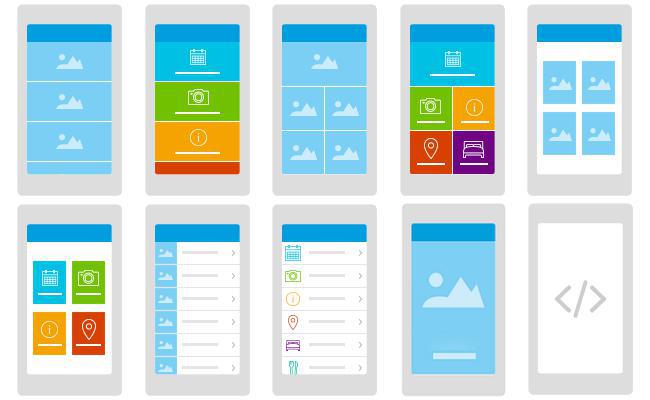
You can choose between 9 different templates and you have even the possibility to implement your own template by selecting HTML, the last option displayed.
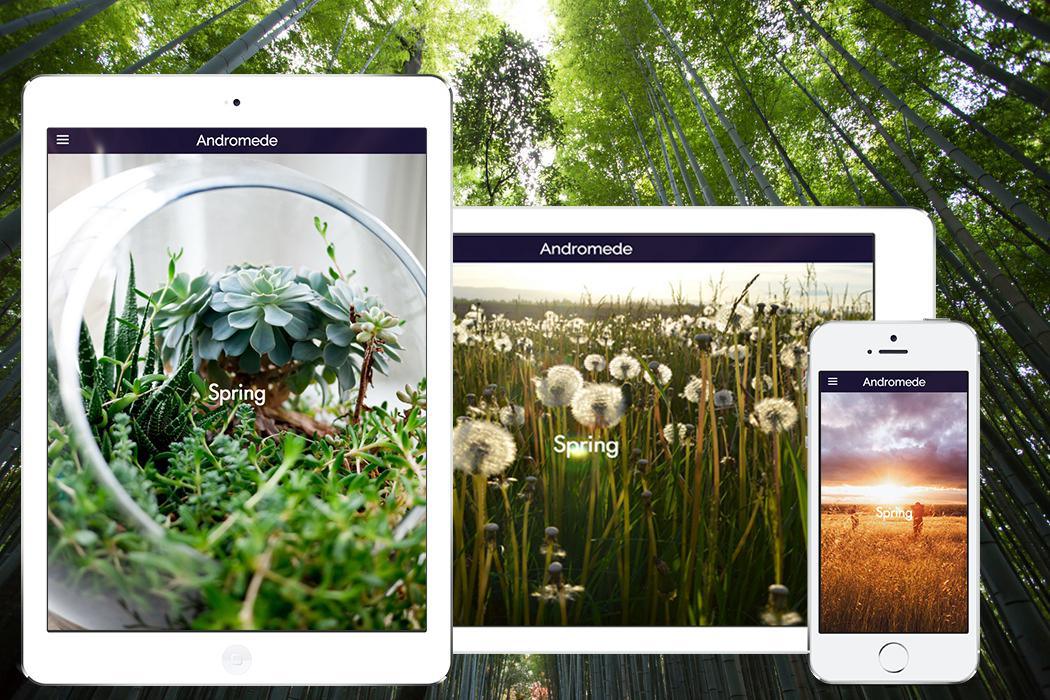
Template 9 gives you the option to have a full screen image for each section of your multi-level menu. The swipe between the subsections is intuitive and smoother than ever. To take maximum advantage of your pictures and the screen size, it is possible to add different images for smartphones, iPad landscape and iPad portrait.
High definition, high user experience... A big wow! :D
Five ways lead to a fitness app for your business, and each is priced its own way: a flat plan, an add-on to gym software, per client, per subscriber or quoted. The table below compares what each one costs and the job it is built for.
OpenAI released GPT-6 Sol and GPT-6 Luna on September 22, 2026, after GPT-6 Astra, the flagship of the family, earlier the same month. Luna is the smallest of the three. OpenAI describes it as its most efficient model for focused, high-volume tasks, and sells it at half the price of GPT-5.6 Luna, the model it replaces in OpenAI's own line-up.The next morning, we moved the AI Extension Builder to GPT-6 Luna, for every app, on the four moments where a model is at work: understanding your request, writing the code of the section, rewriting it when you ask for a change, and answering the questions you ask about what it built.
 eCommerce
 Memberships
 RAG Chatbot
 Online Courses
 Bookings
 Travel guide
 Events
 Content Creators
 Pickup & Delivery
 Newspaper
 Radio
Radio Schools
 Faith
Faith Organizations
 Restaurant
 Grocery
 Custom apps
 Employee Communication
 NO CODE APP BUILDER
 TECHNOLOGY
 WHY GOODBARBER?
 Design
 PRODUCT RESOURCES
 TOPICS
 MOBILE APPS RESELLERS
 DISCOVER