 eCommerce
 Memberships
 Chatbot
 Online Courses
 Bookings
 Travel guide
 Events
 Content Creators
 Pickup & Delivery
 Newspaper
 Radio
 Schools
 Faith
 Organizations
 Restaurant
 Grocery
 Custom apps
 Employee Communication

 NO CODE APP BUILDER
 TECHNOLOGY
 WHY GOODBARBER?
 Design
 PRODUCT RESOURCES
 TOPICS
 MOBILE APPS RESELLERS
 DISCOVER
How to publish your app on Google Play and the App Store

Your app is built and tested. Now comes the step nobody explains properly: getting it into Google Play and the App Store. This guide walks through both stores side by side, what each one asks of you, what it costs, how long the review takes and why apps get rejected. It applies whether you submit the app yourself or let our publishing team do it for you.
What both stores expect before you submit
Google and Apple run different processes on the same foundations. Settle these first and everything else goes faster.
Your own developer accounts. Each store publishes an app under a developer account, and that account should be yours, not your agency's or your app builder's. It owns the app, its listing, its reviews and its users. Its name must also match the business that owns the app: Apple rejects apps when the seller name and the company name differ. This is why we publish every GoodBarber app on our customers' own accounts, even when our team handles the submission. If you build apps for clients, set up their developer accounts before the first submission.
A privacy policy. Both stores require a public privacy policy URL covering what data the app collects, why, who it is shared with and how long it is kept. You declare the same things in Google's Data safety form and in Apple's privacy labels. The three must match.
A test account for reviewers. If part of your app sits behind a login, reviewers need demo credentials to get in. Missing review information is among Apple's most frequent reasons for rejection. Create a test user before you submit and keep it active for every update.
The listing. Name, descriptions, icon, screenshots in each store's sizes, category, support URL. Write the first two lines of the description for the reader: they are the ones people see on a phone.
| Google Play | App Store | |
|---|---|---|
| Developer account fee | $25, paid once | $99 per year |
| Account types | Personal or Organization. Organizations need a D-U-N-S number. | Individual or Organization. Organizations need a D-U-N-S number. |
| File you upload | Android App Bundle (.aab) | iOS build uploaded to App Store Connect |
| Testing before release | Mandatory for personal accounts created after November 13, 2023: a closed test with 12 testers over 14 days | Optional, through TestFlight or an Ad Hoc build |
| Review time | A few days on average. Your Play Console shows an estimate. | At least 50% of submissions in under 24 hours and 90% in under 48 hours, according to Apple |
| Where you manage it | Google Play Console | App Store Connect |
Publishing an app on Google Play
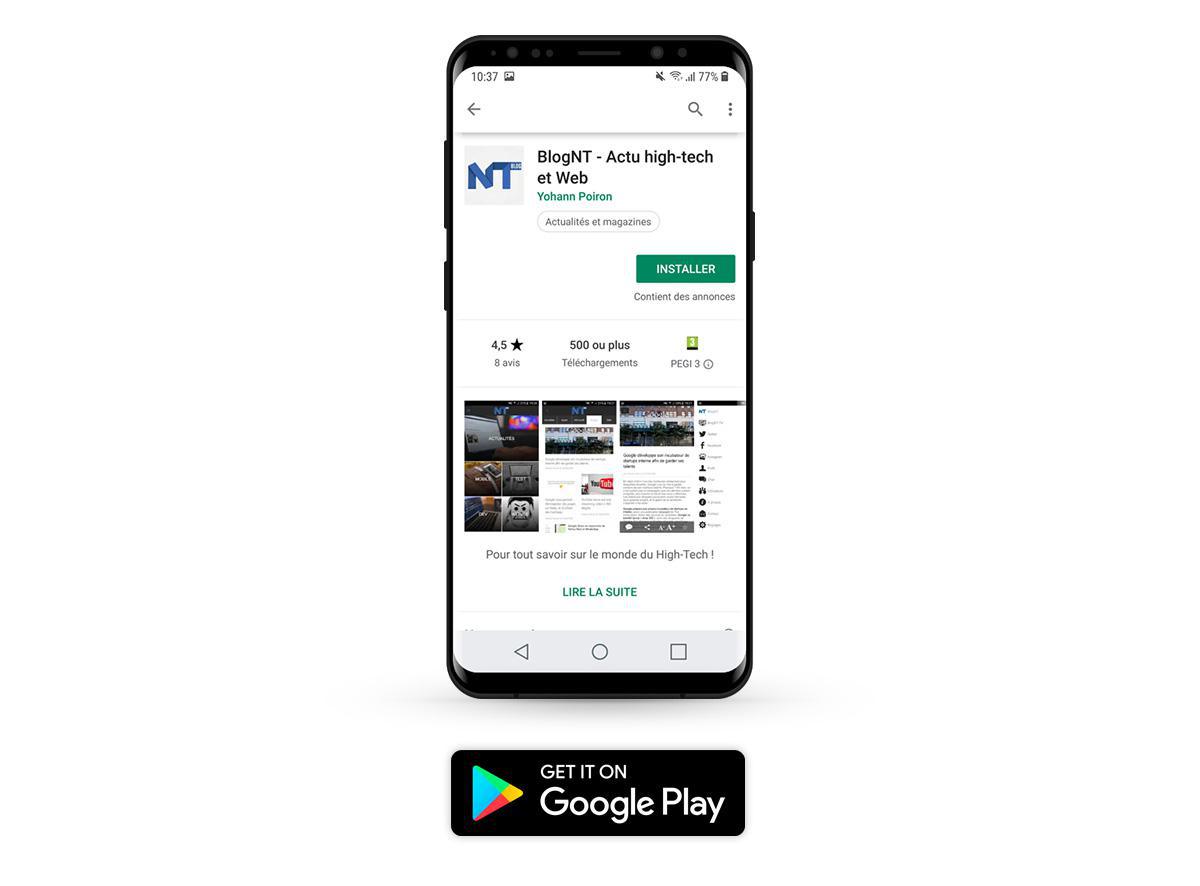
1. Create your Google Play developer account
Registration costs $25, paid once, and covers every app you will publish on that account. Choose the account type carefully, because it cannot be changed: Personal for an individual, Organization for a company. Organizations need a D-U-N-S number, free and obtained in about a week, and must verify their website. Both types go through identity verification. We walk through every step in how to open a Google Play developer account, and our help guide lists the documents Google asks for.
2. Run the closed test if you have a personal account
Personal accounts created after November 13, 2023 must run a closed test before publishing anything: at least 12 testers opted in for 14 consecutive days, then a request for production access that Google reviews. Count two to three weeks between a finished app and a public listing. Organization accounts skip this step. Short of twelve testers? Here is how to get 12 testers through 14 days on your own.
3. Complete the store listing
After the listing itself come the declarations: the content rating questionnaire, the target audience, the Data safety form and the privacy policy URL. None of them is optional, and an incomplete declaration blocks the release before anyone looks at the app.
4. Upload the Android App Bundle and roll out
Google only accepts the Android App Bundle, the .aab file, for new apps. Create a production release, upload the bundle and roll it out. Review takes a few days on average, and the Play Console shows an estimate for your submission. Updates are reviewed too, usually faster. If the upload fails, these are the common causes and their fixes. For every screen of the process, see our detailed guide on how to submit an app to Google Play.
Publishing an app on the App Store
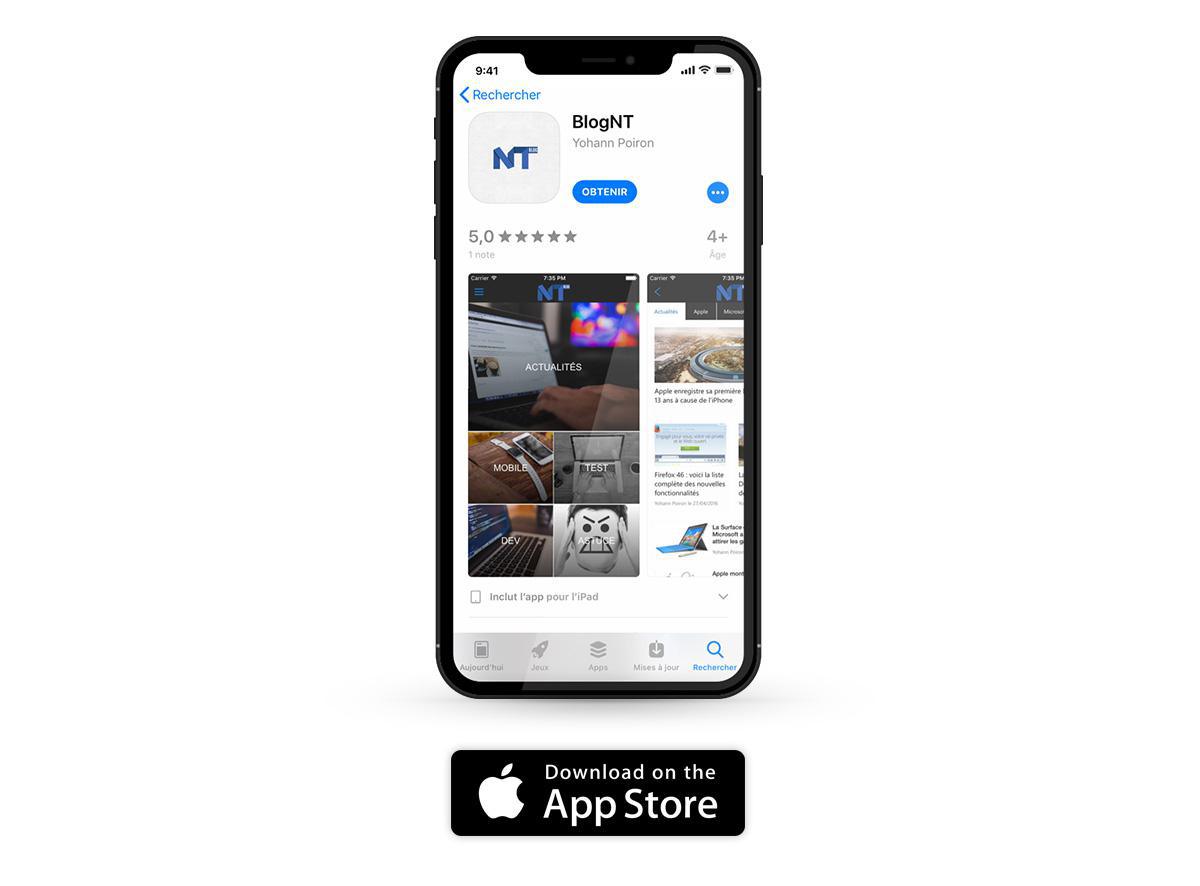
1. Join the Apple Developer Program
Membership costs $99 a year. If it lapses, your app is removed from sale until you renew. Choose Individual or Organization: an organization needs a D-U-N-S number and someone with the legal authority to sign for the company. The membership name is the seller name shown on the App Store. Switching from individual to organization later is possible, but it is a process of its own.
2. Set up the app in App Store Connect
App Store Connect holds the listing: name, subtitle, keywords, description, support and privacy policy URLs. Two sections need extra care. The privacy labels declare what data the app collects and whether it is used for tracking. The screenshots must show the real app on every required device size. Screenshots that promise features the app does not have are a rejection on their own.
3. Fill in the review information
This is the section people skip, and the source of the most avoidable rejections. Add the demo account, notes for the reviewer and any special setup needed to test a feature. A reviewer who cannot reach the content rejects the app.
4. Submit and wait for App Review
Apple says App Review handles at least 50% of submissions in under 24 hours and 90% in under 48 hours. A rejection arrives in the Resolution Center with the guideline Apple cites. Fix, reply and resubmit as many times as needed. When the status reads Ready for Sale, the app is live.
Why apps get rejected
According to Apple, over 40% of unresolved issues relate to guideline 2.1, App Completeness: crashes, placeholder text, broken links, missing review information. In other words, apps submitted before they were finished. Next come privacy policies that miss some of the data collected, screenshots that do not match the app, and apps that only wrap a website. Apps built with an app builder are also reviewed against guidelines 4.2.6 and 5.2.1, which are met when the app is submitted from its owner's account with its own content: here is what Apple expects.
Publishing with GoodBarber: two ways to do it
Solo. We compile the native iOS and Android apps, so there is no Xcode to install and no code to sign by hand. From the Publish menu of your back office, a step-by-step guide takes you through the developer accounts, the certificates, the test on your own phone with an Ad Hoc build or the My GoodBarber App, and the submission. One step still requires a Mac: uploading the iOS build to App Store Connect with Apple's Transporter app. The full guides for iOS and Android cover every screen.
GoodBarber Takes Care (GBTC). Our publishing team handles the whole process on your own developer accounts: compilation, store forms, screenshots in the sizes Apple and Google require, and the submission itself. If Apple or Google rejects the app, the team explains why, lists the changes needed and resubmits. Over the last 12 months, 91% of the apps Apple rejected on a first iOS submission were accepted after our team stepped in.* The service is open to every GoodBarber customer, direct or reseller: see how the publishing service works.
* Internal figures from GoodBarber's publishing team CRM tracking, last 12 months. Last updated: April 2026.
After your app is live
Content needs no new submission. Articles, products, push notifications and most settings go live from the back office. A new build is needed when the app itself changes, with a new feature or a redesign. Regenerating it takes between 15 minutes and 3 hours, and the new version goes through review again. Keep in mind that the Apple membership renews every year, and that unpublishing from both stores is a process of its own.
Frequently asked questions
How much does it cost to publish an app on Google Play and the App Store?
Google charges $25 once per developer account. Apple charges $99 per year for its Developer Program. Neither store charges per app or per submission.
How long does it take to publish an app on both stores?
A few days to open each account, and about a week more if you need a D-U-N-S number. Then the review: a few days on Google Play, under 48 hours for 90% of App Store submissions. A personal Google Play account adds a 14-day closed test before the first release.
Can I publish an app without a developer account?
No. Each store publishes the app under a developer account. We publish on your own accounts, so the app and its users belong to you.
Do I need a Mac to publish on the App Store?
We compile the iOS app, so you never need Xcode. In Solo mode, a Mac is needed for one step: uploading the build with Apple's Transporter app. With GoodBarber Takes Care, no Mac is required.
Personal or organization account: which one should I choose?
If the app belongs to a company, choose organization on both stores. It needs a D-U-N-S number, matches the legal owner Apple checks, and skips Google's closed test. A personal Google Play account cannot be converted later.
Why was my app rejected?
The rejection names the guideline or policy. On the App Store, the most common is 2.1, App Completeness. Fix the issue and resubmit, with help from our guides to Apple rejections and Google Play rejections.
Can GoodBarber publish my app for me?
Yes. With GoodBarber Takes Care, our team handles compilation, store forms, screenshots and submission on your own accounts, and resubmits if the app is rejected.
Your next step
If your app is built with GoodBarber, open the Publish menu of your back office: the guide follows the order the stores expect. If you do not have an app yet, our guide to making an app covers every step before this one. Start your free trial and come back to this guide the day your app is ready.


